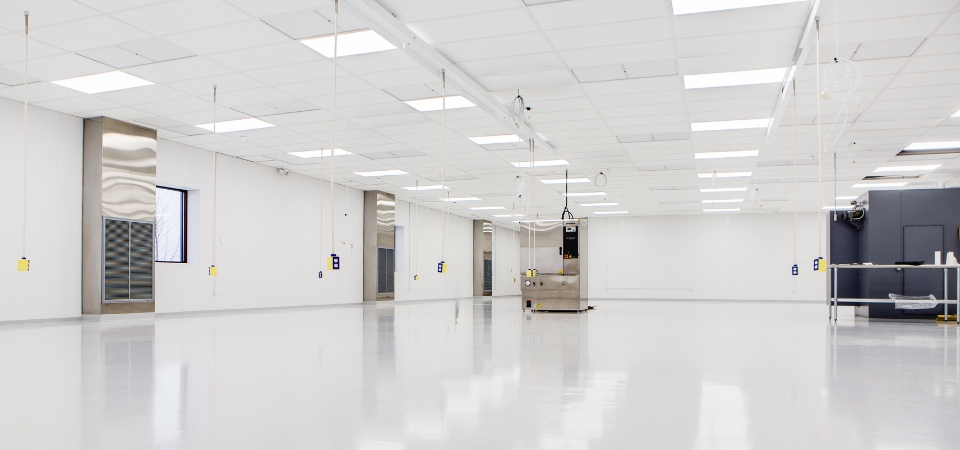
PortaFab is a Cleanroom manufacturer with over 40 years of experience that provides a level of expertise that is unmatched in the industry. With four decades of experience in designing, engineering, and manufacturing Cleanroom systems, we have a deep understanding of the unique requirements and challenges of Cleanroom environments. Our extensive experience has allowed us to consistently deliver efficient and reliable Cleanroom construction that exceeds customer expectations.

Modular Cleanroom Manufacturer
Our staff of design consultants and in-house engineers work with architects and general contractors to deliver functional and cost-effective Cleanroom solutions. Whether you're looking for a simple controlled environment or a customized Cleanroom solution, we have the knowledge and experience to provide you with the ideal solution for your needs.

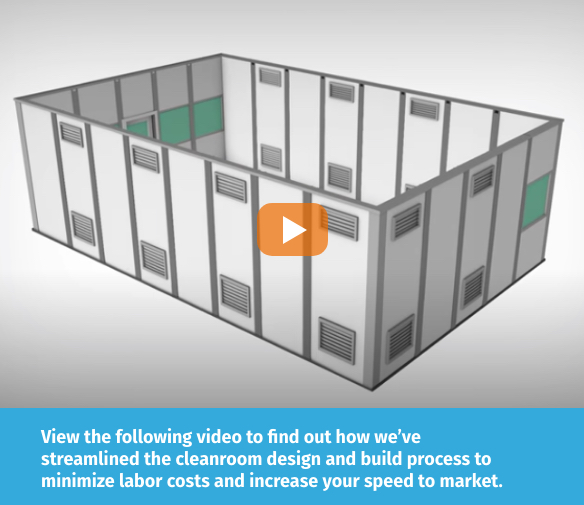
Cleanroom Construction Made Easy
A short video the highlights the main Cleanroom wall systems that PortaFab offers, along with specifications and common applications for each wall system.


Fab Labs

Environmental Enclosures

Packaging Rooms

Clean / Dry Rooms

Compounding Rooms

Machine Enclosures

Microelectronics Manufacturing

Food Processing Rooms

20 Standard ISO 8 Modular Cleanrooms
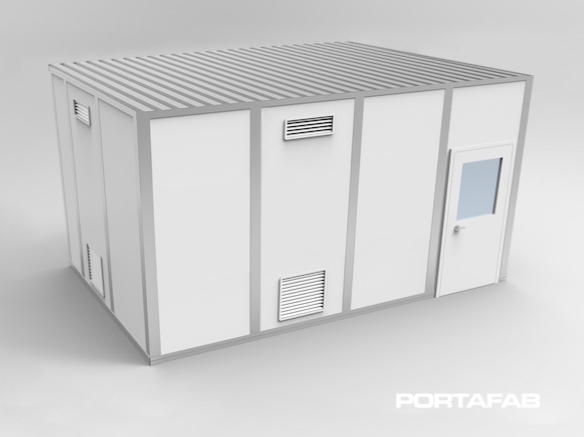
More and more companies are turning to manufacturing in clean environments due to regulatory requirements and quality concerns. That's why PortaFab developed a range of Standard ISO 8 Modular Cleanrooms. Choose from 20 standard dimensions ranging from 8' x 8' to 20' x 40'.
Two Customizable Modular Cleanroom Systems
The PortaFab Modular Cleanroom line includes two distinct product lines with numerous components to ensure that you have the right products for your Cleanroom application. Various components of each wall system integrate with each other as well as a selection of windows, ceiling systems, and doors.
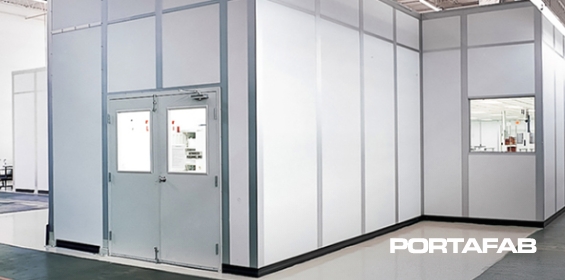
CleanLine
Designed to meet the specifications of Class 10 to Class 100,000 (ISO 4 to ISO 8) Cleanroom environments, the CleanLine system is our most popular and versatile Cleanroom line and is used in a variety of industries and applications.
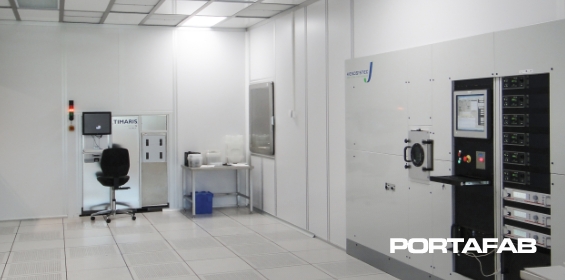
FabLine
Designed primarily for the microelectronics and nanotech industries, FabLine is ideal for applications with significant bulkheading requirements or those requiring non-outgassing, non-shedding, and anti-static walls.

Modular Cleanroom Components
Cleanroom components typically include walls, ceiling grids, and air filtration systems. PortaFab's Modular Cleanrooms can also include a variety of other features, such as air showers, temperature and humidity control systems, and lighting systems. These components are designed to maintain the cleanliness of the Cleanroom and ensure that it meets the required ISO standards for cleanliness.

Wall Panels

Ceilings

Windows

Doors

Coving

Fan Filter Units

Air Showers

Pass Through Chambers
Benefits of Modular Cleanrooms
While flexibility remains a key advantage for the use of Modular Cleanroom systems, there are many reasons to consider modular over conventional construction.

Lower lifetime cost

Greater Speed to market

Clean installation & minimized waste

Flexibility to expand or modify

Reduced construction timeframe
Tax advantages

Local Cleanroom Design and Installation
PortaFab's Cleanroom line is supported by a nationwide network of Cleanroom contractors that specialize in specifying, installing, and servicing our Cleanroom systems.